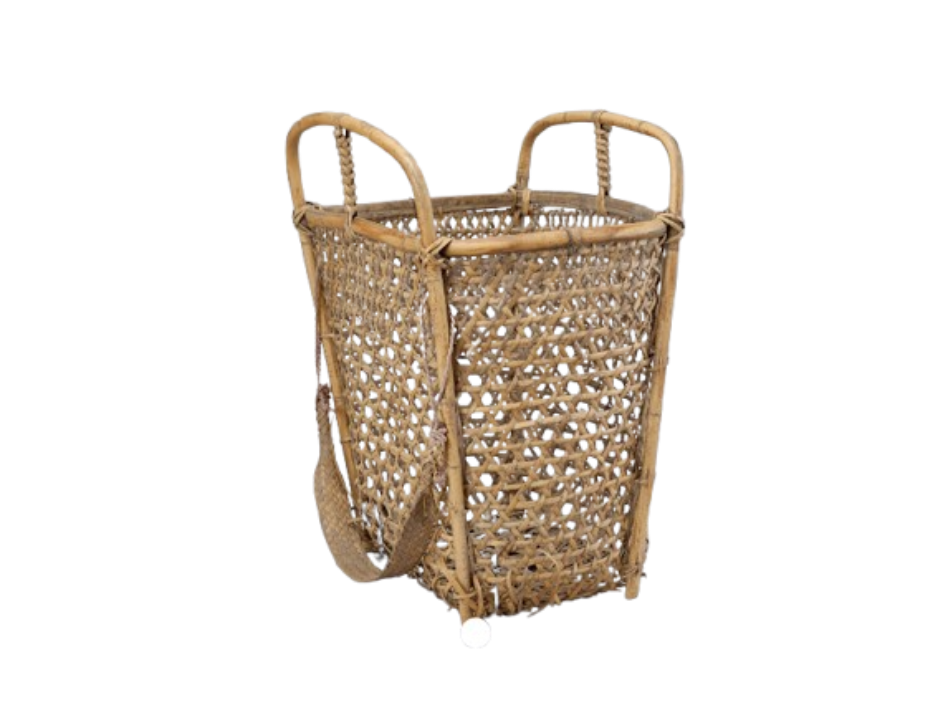
The basket is used by women to carry items. In the past, gathering was one of their tasks, and its design was well-suited for this work. It has a strap that allows women to wear it on their heads, leaving both hands free while collecting items.
Traditional Clothing of The Seediq Tribe
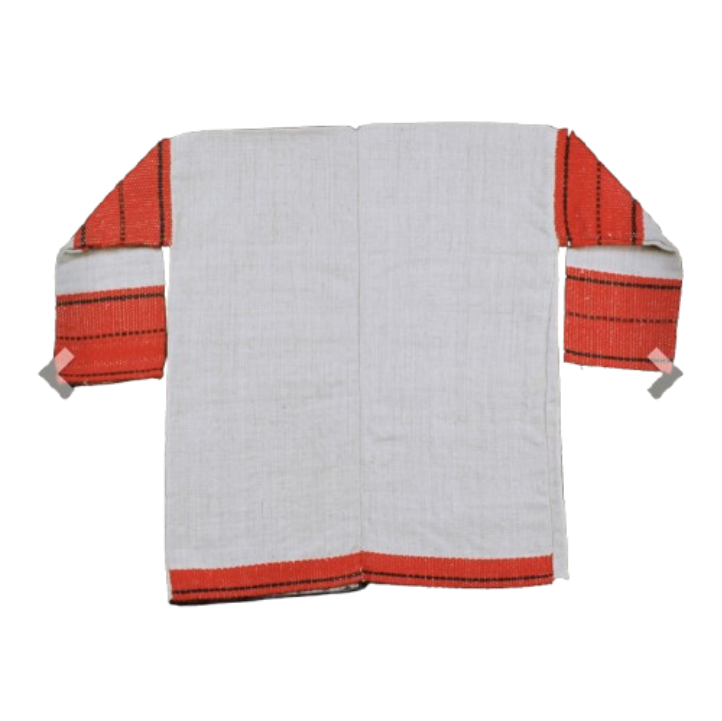
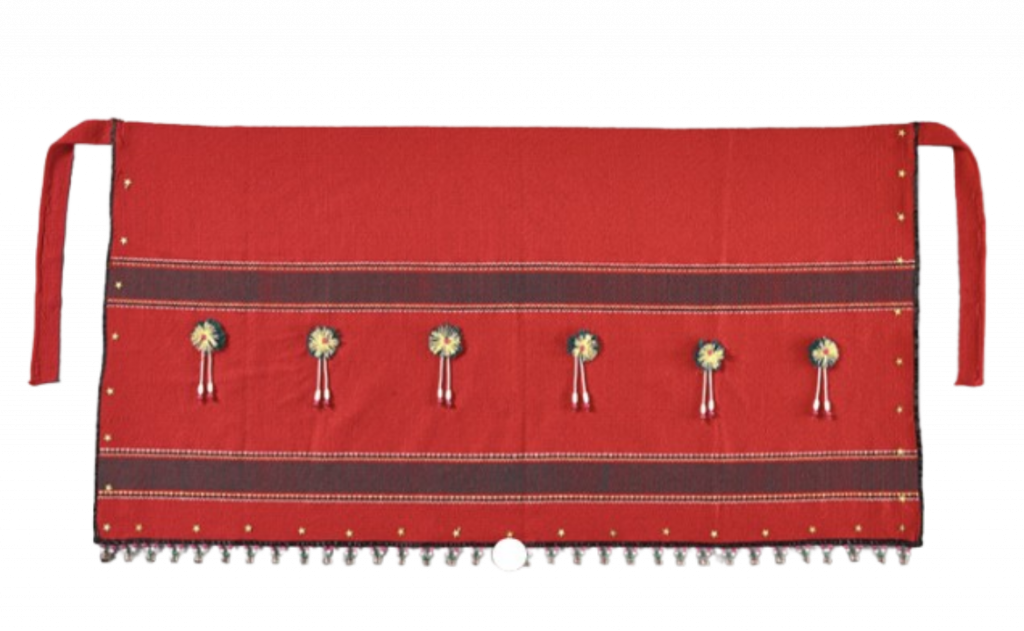
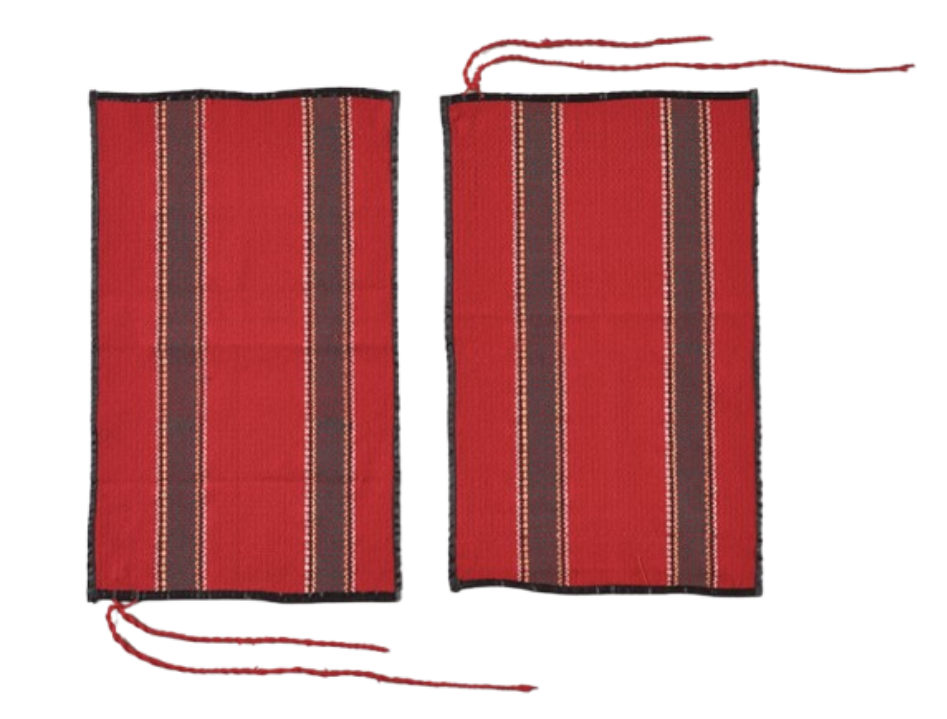
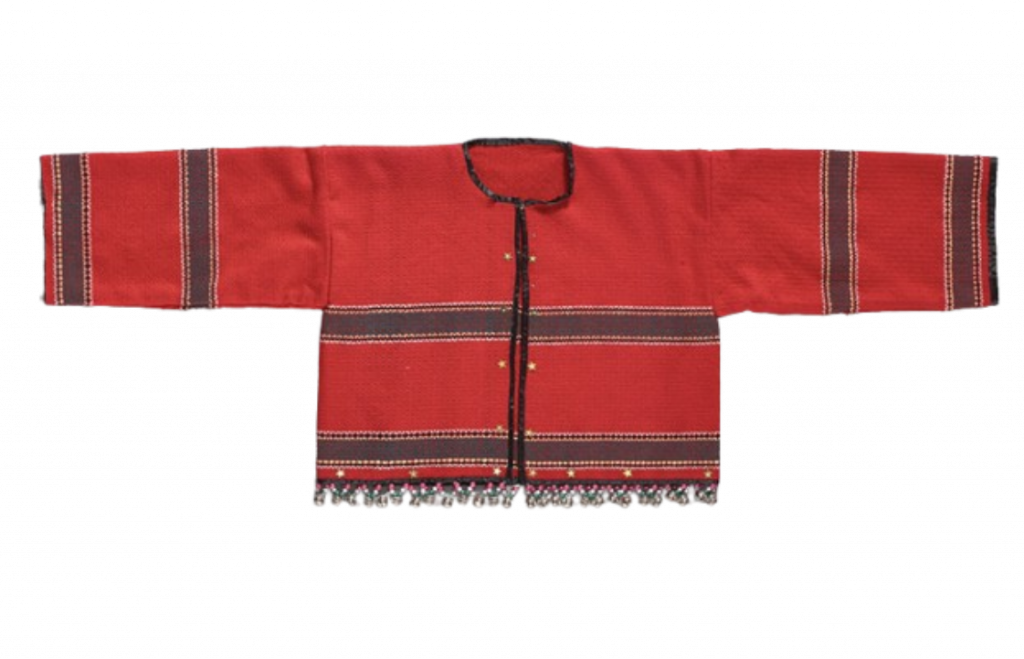
Traditional Seediq clothing includes long-sleeved shirts for men, waist skirts, leg guards, and long-sleeved short jackets for women. These garments are made from ramie fabric woven with red and black wool threads and feature diamond-shaped patterns to highlight their distinct characteristics.
Jaw Harp
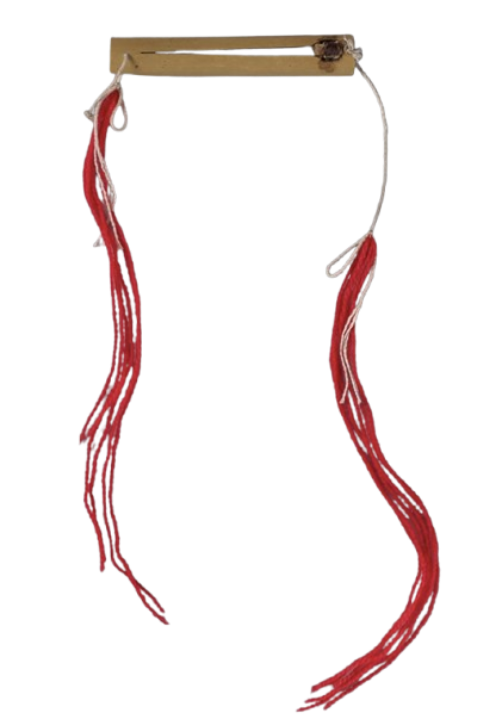
The Jaw harp is a traditional wind instrument commonly found in the Seediq tribe. It is made from bamboo as the main body and decorated with white cotton strings and red tassels tied to both sides of the instrument. It is not only used for entertainment but also as a way to express emotions toward a partner.
Seediq Ceremonies
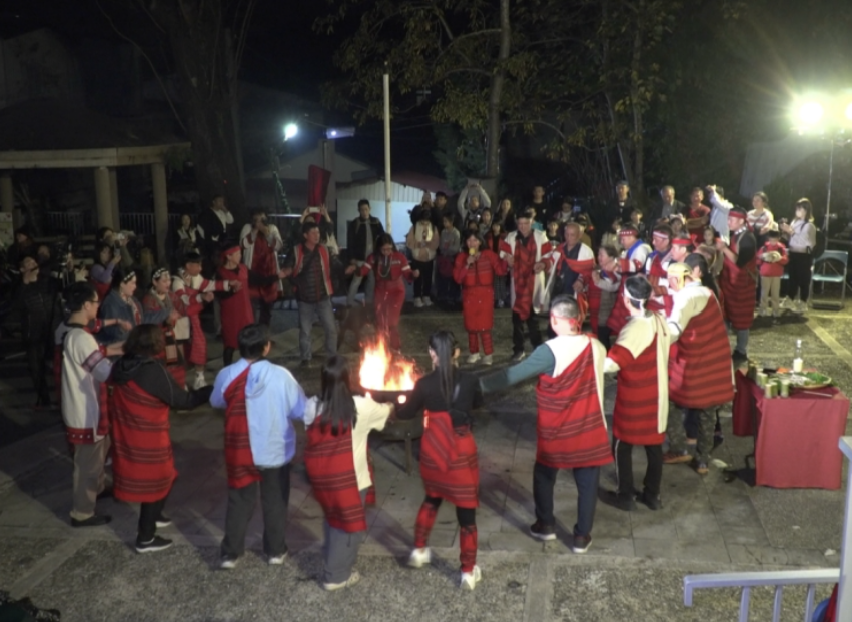
The main traditional sacrifices of the Sediq people include the Seeding Festival, the Rainy Season Festival, the Fishing Market and the First Season Fishing Festival. The concepts of each festival are different. For example, the Seeding Festival and the Harvest Festival involve millet and sorghum, while the Fishing Market provides spring farming and New Year’s goods.
Head Hunting
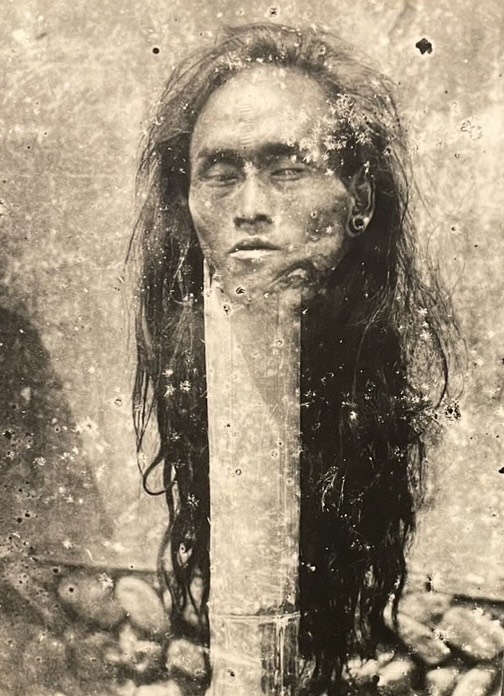
Head Hunting is referring to a custom in which humans actively attack other humans, kill them, and cut off body parts as trophies. The origin of headhunting is unknown. One of the goal for head hunting was praying for a good harvest. In the era without firearms, head hunting was a means for Taiwan’s indigenous peoples to resist foreign invasions. In the social life, head hunting is the main material for heroic legends and ballads.
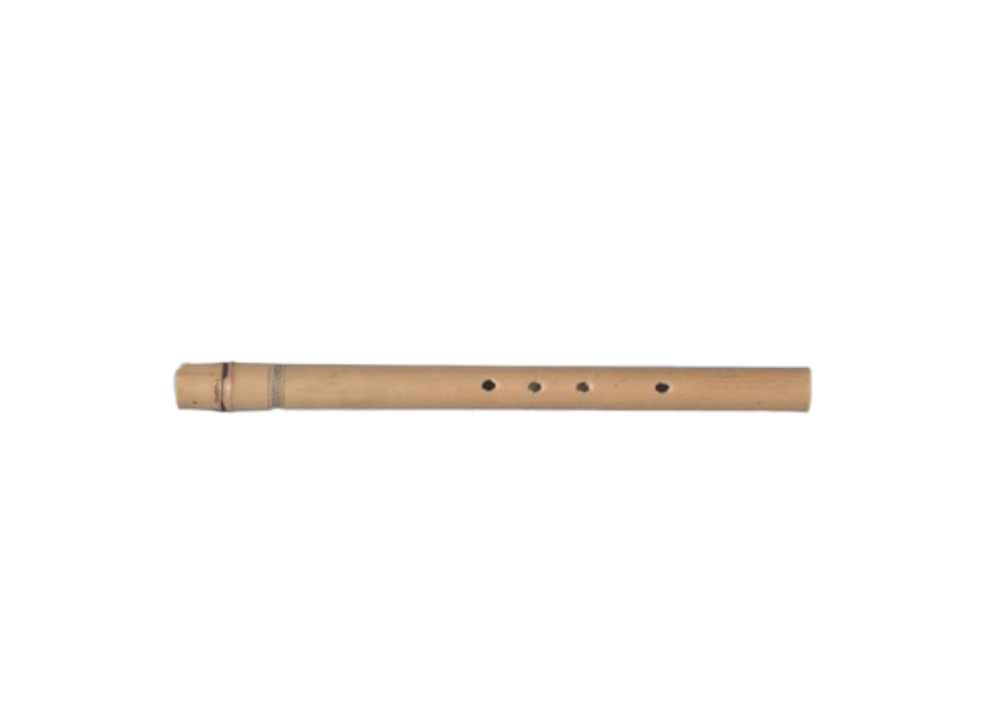
Head-Hunting Flute
This is the headhunting flute, which have four holes on it. It would be played when the warriors return victorious after a headhunting expedition to inform the tribe that he has returned with a human head. This instrument cannnot be played in daily life, it can only be played in the celebration of a successful headhunting return instead. Only warriors who have successfully taken a head are allowed to play this instrument, and women and children are prohibited from playing it.